

Summer in Japan: Your Complete Seasonal Guide

Why Visit Japan in Summer?
Summer in Japan (June–August) is a season of intensity and celebration. The days are long, the heat and humidity can be overwhelming, but this is also when Japan feels most alive: glowing lantern festivals, riverside fireworks, crowded beaches, bustling beer gardens, and cicadas singing in temple gardens. It is a season that tests travelers with its climate, but rewards them with cultural events that define Japanese summer.

Fireworks (hanabi taikai) and festivals (matsuri) trace their origins back centuries, from Edo-period firework shows meant to console the spirits of the dead to local shrine festivals that celebrate community and harvest. Meanwhile, summer food traditions developed as ways to cool the body and replenish stamina: chilled noodles, shaved ice, and even grilled eel eaten specifically on the hottest days of the year.

For those who prepare for the humidity and plan around seasonal events, summer in Japan is one of the most unforgettable experiences the country offers.
Summer Climate Across Japan
Summer in Japan is not uniform, each region has its own climate, shaped by geography, monsoon rains, and ocean currents.

Southern Japan (Kyushu & Okinawa)
Okinawa experiences one of the earliest summers in the country. The rainy season (tsuyu) arrives as early as May and ends by late June, leaving clear skies and subtropical heat. Temperatures hover between 27–31°C in June and can rise to 33°C in July and August, often with high humidity. Typhoons are a frequent risk in August, but the reward is access to pristine beaches and coral reefs.

Kyushu is slightly cooler but still humid, with mountain areas like Mount Aso offering relief. Onsen towns such as Beppu and Yufuin remain popular even in summer, as evenings cool down and outdoor baths offer fresh breezes.

Uniqueness: Summer in southern Japan feels almost tropical, with lush greenery, island time, and marine life experiences that you won’t find anywhere else.
Western Japan (Kyoto, Osaka, Hiroshima, Shikoku)
Western Japan is known for its intense humidity, especially in July and August, when temperatures reach 34–36°C but “feels like” readings climb higher due to the moisture in the air. Kyoto is particularly famous for its stifling summers, as the basin geography traps heat and humidity. This has shaped local culture, traditional machiya townhouses were designed with airy wooden interiors and gardens to allow breezes, and cold noodle dishes like hiyashi somen evolved here.

Shikoku offers a respite with river rafting and mountain valleys, while Hiroshima and Miyajima balance hot days with cool evening sea breezes.

Uniqueness: Kyoto’s Gion Matsuri developed in part as a ritual purification to ward off summer disease and disasters — a reminder of how heat and humidity influenced cultural traditions.
Central Japan (Tokyo, Nagano, Japanese Alps)
Tokyo in summer is hot and humid, with average highs of 28–34°C in July and August. Rainy season in June brings muggy days, and the city’s concrete and crowds can amplify the discomfort. Yet this is when Tokyo shines with massive fireworks shows, rooftop beer gardens, and late-night festival stalls.

The Japanese Alps, however, provide escape. Kamikochi, Nagano, and Gifu offer cooler air at high elevations, with temperatures closer to 20–25°C. This has long made them summer retreats for both Japanese and foreign travelers, dating back to Meiji-era mountaineering traditions.
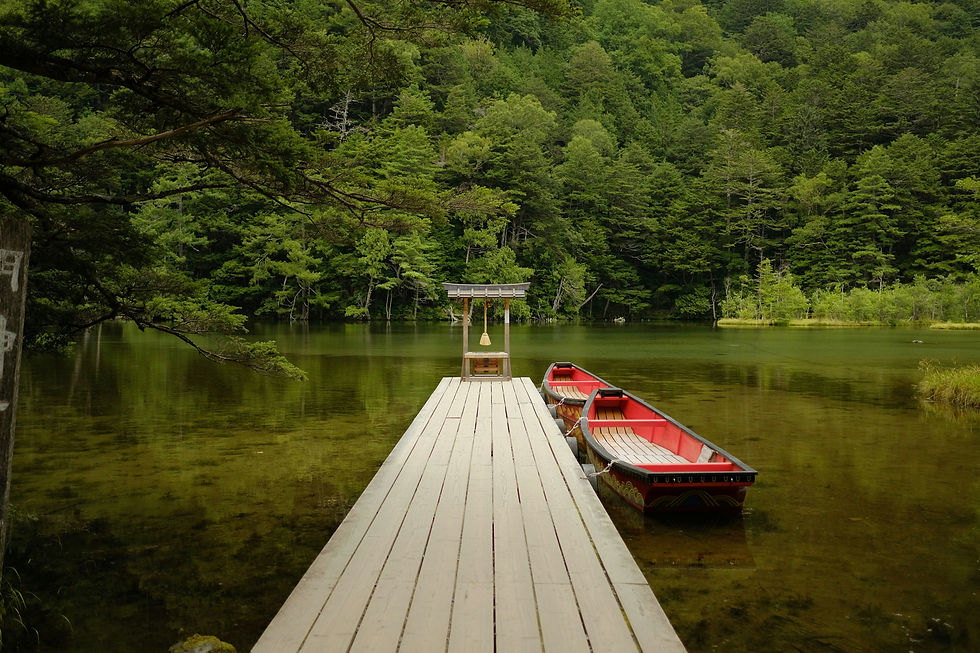
Uniqueness: Central Japan lets you experience the extremes: Tokyo’s crowded fireworks over the Sumida River, then cool alpine hikes among blooming wildflowers.
Northern Japan (Hokkaido & Tohoku)
Hokkaido is the ultimate summer refuge. Unlike the rest of Japan, it doesn’t have a rainy season, and humidity is far lower. Sapporo averages 20–27°C in July and August, making it comfortable even when the rest of the country swelters. The lavender fields in Furano and sunflower meadows in Biei become summer icons.

Tohoku is slightly warmer but still cooler than central Japan, and it bursts with festivals in August. Historically, these festivals marked the midsummer Obon season and the harvest cycle, with lanterns and dancing designed to honor ancestors.
Uniqueness: Hokkaido’s climate is so different that it attracts Japanese travelers escaping the heat elsewhere, creating a culture of summer “climate tourism.”
What to Wear in Summer
Japan’s summer demands clothing designed for heat and humidity.
Fabrics: Lightweight cotton and linen are best; synthetics can trap heat. Japanese brands also sell specialized “cooling” fabrics.
Fit: Loose and breathable is essential. Yukata, the summer kimono, remains popular at festivals and is both stylish and practical.
Footwear: Sneakers or sandals; avoid heavy shoes.
Accessories: Wide-brim hats, sunglasses, cooling towels, sunscreen, and a foldable umbrella for rain or shade.
Indoor tip: Air conditioning in trains and shops can feel icy — carry a light scarf or shawl.

Pro Tip: Many Japanese carry UV-protection umbrellas and arm sleeves, practical for both rain and sun.
Transportation in Summer
Trains: Shinkansen and JR lines run normally year-round, but Obon (mid-August) is one of Japan’s busiest times — seats book out weeks in advance.
Flights: Domestic flights surge in price during Obon; book early for Okinawa.
Roads: Coastal highways and mountain passes can be crowded with vacationers.
Typhoons: Late August to September is peak typhoon season, often disrupting flights and ferries. Always keep flexible plans.

Summer Festivals & Fireworks
Japan’s summer festivals (matsuri) have roots in ancient rituals. Many began as Gion-like purification rites to ward off disease during hot months, while fireworks (hanabi) originated in the Edo period as offerings to console the spirits of the dead after famines and plagues. Over time, they became celebrations of life, light, and community.
Gion Matsuri (Kyoto, July): A month-long ritual with parades of giant floats. Began in 869 as a way to appease gods during an epidemic.
Tenjin Matsuri (Osaka, July): Combines river processions with fireworks, rooted in honoring the deity of scholarship.
Aomori Nebuta Festival (Aug): Immense illuminated floats carried through streets, originally designed to ward off sleepiness and laziness during the growing season.
Akita Kanto Festival (Aug): Lantern-laden bamboo poles balanced on shoulders, hips, and foreheads, symbolizing rice stalks heavy with grain.
Sumida River Fireworks (Tokyo, late July): Began in the 18th century as a memorial to famine victims — now one of Japan’s largest fireworks shows.
Obon (mid-August): Lanterns and dances honor ancestors, with Bon Odori danced in towns across the country.
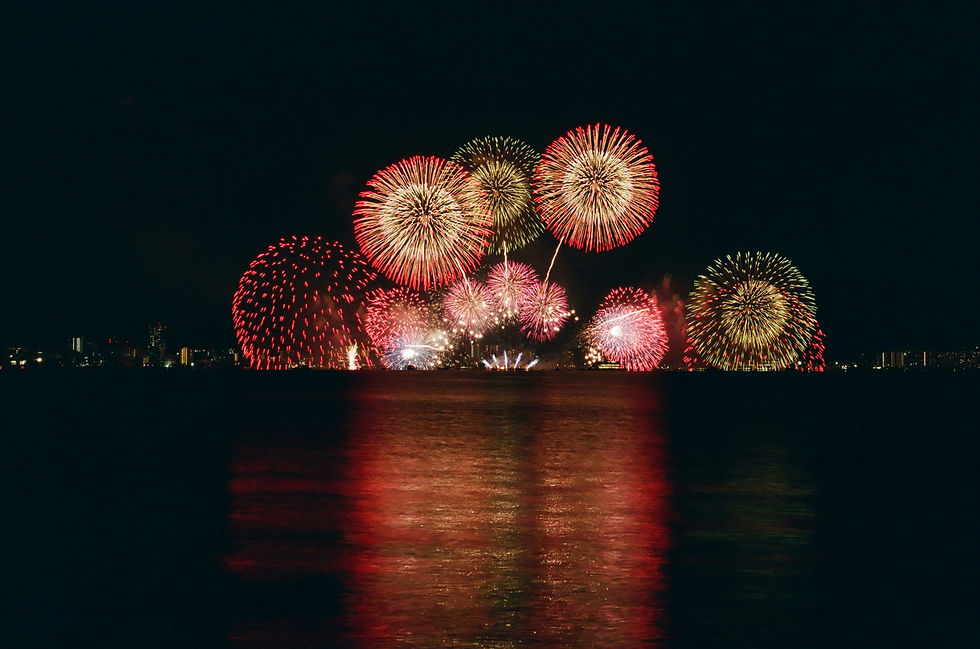
Festival Tip: Wear a yukata, enjoy festival food like yakisoba and kakigōri, and arrive early, crowds can be enormous.
Onsen in Summer
Though often associated with winter, onsen remain popular in summer. In fact, Japan’s hot and humid climate makes a bath surprisingly refreshing. Outdoor baths in the mountains provide cooling breezes, while footbaths (ashiyu) offer a lighter option for hot days.
Mountain Onsens: Kamikochi and Hakone offer stunning views.
Riverside Baths: Natural baths alongside rivers let you soak with fresh air.
Kyushu Onsens: Beppu and Ibusuki remain active year-round.

Etiquette Tip: In summer, rinse sweat before entering, and stay hydrated, the combination of hot weather and hot water can cause dizziness if you’re not careful.
Summer Food and Flavors
Summer foods in Japan have evolved over centuries to fight heat, replenish energy, and provide refreshment.

Cold Noodles:
Sōmen (thin white noodles) are often served flowing down bamboo shoots with ice water (nagashi sōmen), a playful tradition dating back to the Edo period.
Hiyashi chūka (cold ramen) became popular in the early 20th century as a seasonal restaurant dish, with colorful toppings symbolizing summer variety.
Cold soba (buckwheat noodles) are another summer staple, dipped into chilled tsuyu sauce. Light, refreshing, and filling, soba has been a cooling dish since the Edo period.
Unagi (eel): Eaten especially on the Day of the Ox (doyo no ushi no hi), a tradition started in the Edo period. Believed to restore stamina and fight the oppressive heat.
Kakigōri (shaved ice): Originating as an imperial treat in the Heian period, once made from natural ice stored in winter. Today, it’s topped with fruit syrups, matcha, or condensed milk.
Soft Serve Ice Cream (sofuto kurīmu): Japanese soft serve is famous for unique regional flavors, from matcha in Kyoto to lavender in Hokkaido and black sesame in Tokyo. Alongside parfaits and fruit-based desserts, they’re a popular way to brave the summer heat.
Watermelon: A symbol of Japanese summer. Families play suikawari (watermelon-splitting game) at beaches and picnics.
Beer & Highballs: Rooftop beer gardens became popular after WWII, offering city dwellers relief from stifling apartments.
Festival Street Food: Yakisoba, takoyaki, grilled squid, and candied apples are staples of matsuri stalls.

Why it matters: Japanese summer cuisine reflects both necessity (hydration, stamina) and culture (seasonal rituals, play, and indulgence).
Seasonal Travel Considerations
Rainy Season (tsuyu): Early June to mid-July in most of Japan; daily showers and high humidity. Pack waterproof shoes and a light rain jacket.
Heat & Humidity: July and August are humid, often with “real feel” temps above 40°C. Sightsee early mornings or evenings, and take breaks indoors.
Obon Crowds: Mid-August is one of Japan’s busiest travel times, expect sold-out hotels and jam-packed trains.
Typhoons: Late August into September can bring storms; flexible planning is key.

Final Thoughts
Summer in Japan is challenging but unforgettable. It’s a season of fireworks bursting over rivers, lantern parades winding through ancient streets, yukata-clad crowds dancing at Obon, and children playing suikawari on the beach. It’s hot, humid, and sometimes stormy, but also alive with cultural traditions and seasonal foods that connect deeply to Japan’s history.

Prepare for the climate, plan around festivals, and embrace the energy. You’ll discover a Japan in full celebration mode, a country that doesn’t just endure the heat, but transforms it into joy, ritual, and community.


Comments