

Experiences and Sights in Japan: A Complete Guide
Top Must-See Sights in Japan
Japan is a country of striking contrasts and harmony, where tradition and innovation exist side by side. Towering skyscrapers with LED billboards rise just a train ride away from centuries-old shrines hidden in cedar forests. Peaceful villages preserve wooden merchant houses and sake breweries, while nearby megacities pulse with neon lights, anime cafés, and the latest technology. For travelers, this duality is what makes Japan extraordinary: you can witness the quiet solemnity of a tea ceremony in Kyoto in the morning, then spend the evening under the flashing lights of Shibuya Crossing in Tokyo.
The following must-see sights are spread across Japan’s diverse regions, offering a balanced introduction to history, culture, modern life, and natural beauty.
Tokyo
Shinjuku & Shibuya – The epitome of modern Tokyo. Shibuya Crossing, one of the busiest pedestrian intersections in the world, symbolizes Japan’s bustling energy. Shinjuku offers skyscraper views, nightlife, and tranquil escapes like Shinjuku Gyoen National Garden.

Asakusa & Sensō-ji Temple – Tokyo’s oldest Buddhist temple (7th century), surrounded by the Nakamise shopping street with traditional snacks and souvenirs.

Tokyo Skytree – At 634 meters, it’s Japan’s tallest tower and a symbol of modern engineering, offering panoramic views and a vast shopping/entertainment complex.

TeamLab Planets / Borderless – Digital art museums where immersive light, sound, and interactive installations redefine what art can be.

Kyoto
Fushimi Inari Taisha – Famous for its thousands of vermilion torii gates stretching up Mount Inari, symbolizing prosperity and protection.

Kinkaku-ji (Golden Pavilion) – A Zen temple first built in the 14th century, covered in gold leaf and reflecting brilliantly in its surrounding pond.

Arashiyama Bamboo Grove – One of Japan’s most photographed sights. The tall bamboo stalks sway gently in the wind, creating an otherworldly atmosphere.

Gion District – Kyoto’s preserved geisha quarter, filled with teahouses, cobblestone alleys, and traditional wooden townhouses (machiya).

Osaka
Osaka Castle – Originally built in 1583 by Toyotomi Hideyoshi, this symbol of unification sits in sprawling parkland that bursts with cherry blossoms in spring.

Dōtonbori – Osaka’s entertainment district, iconic for neon signs (like the Glico Running Man) and local street food specialties such as takoyaki (octopus balls) and okonomiyaki (savory pancakes).

Hiroshima
Hiroshima Peace Memorial Park & Museum – Built to honor victims of the 1945 atomic bombing, the park features the Atomic Bomb Dome and exhibits that emphasize peace and remembrance.

Itsukushima Shrine (Miyajima) – Known for its “floating” torii gate, which appears to rise from the sea at high tide. A UNESCO World Heritage site blending natural beauty and sacred architecture.

Hokkaido
Sapporo’s Odori Park & Clock Tower – Central Sapporo hosts festivals year-round, including the world-famous Snow Festival. The historic clock tower is a symbol of Hokkaido’s modernization.

Furano & Biei – Rolling fields that bloom with lavender and colorful flowers in summer, creating one of Japan’s most picturesque landscapes.

Okinawa
Shuri Castle (Naha) – Once the royal palace of the Ryukyu Kingdom, Okinawa’s distinct cultural heritage shines here, influenced by both Chinese and Japanese architecture.

Kerama Islands – Just off Okinawa’s coast, these islands offer pristine beaches, snorkeling, and diving in crystal-clear waters.

Nationwide Icons
Mount Fuji – Japan’s tallest and most sacred peak. Recognized worldwide, it’s climbable in summer (July–early September), but equally stunning when viewed from Hakone or Kawaguchiko.

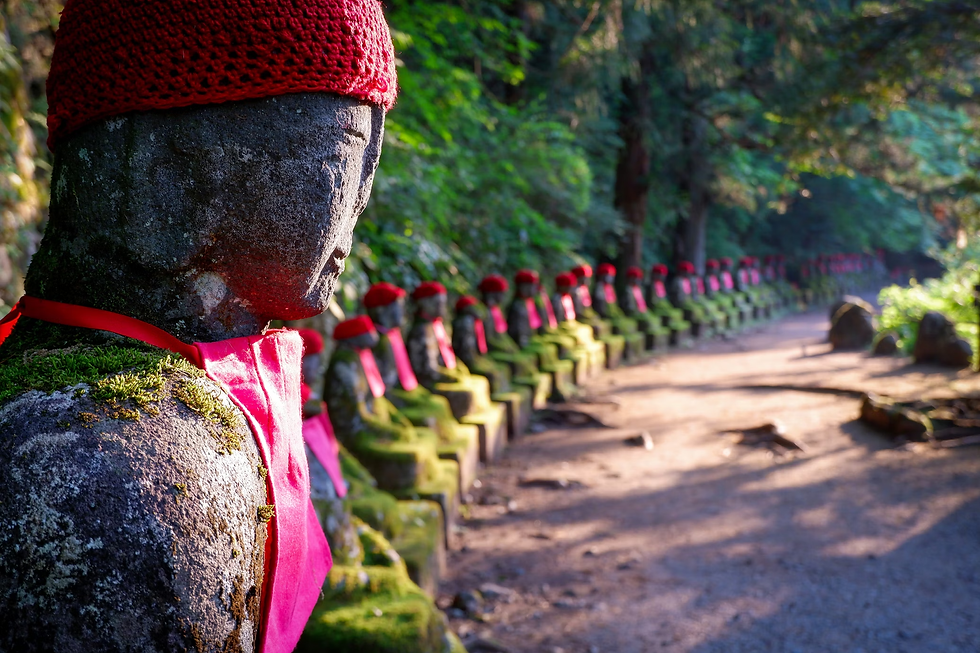
Nikko (Tochigi) – A UNESCO World Heritage site with ornate shrines set in misty forests. Toshogu Shrine, with its vivid carvings and “see no evil” monkeys, is a highlight.
Takayama Old Town (Gifu) – A beautifully preserved Edo-period merchant town with wooden houses, sake breweries, and seasonal festivals that bring the streets to life.

Travel Tip: These sights offer a mix of city life, historic temples, and natural escapes. Even a short trip can balance urban discovery (Tokyo, Osaka), cultural immersion (Kyoto, Hiroshima), and outdoor adventure (Fuji, Hokkaido, Okinawa).
Unique Japanese Experiences You Can’t Miss
While sightseeing is essential, Japan’s soul is best felt through its unique cultural experiences.
Tea Ceremony (Sadō) – Rooted in Zen philosophy, tea ceremonies embody harmony and mindfulness. Participating in one (especially in Kyoto or Kanazawa) connects travelers to centuries-old traditions.
Sumo Wrestling – Japan’s national sport is more than athletic competition — it’s ritual, ceremony, and Shinto symbolism. Major tournaments (honbasho) are held six times a year in Tokyo, Osaka, Nagoya, and Fukuoka.
Themed Cafés – From animal cafés (owls, cats, hedgehogs) to anime- or robot-themed dining, these cafés reflect Japan’s playful pop culture.
Ryokan Stay with Onsen – Staying in a traditional inn means sleeping on tatami mats, wearing yukata, dining on multi-course kaiseki, and soaking in natural hot springs.
Seasonal Festivals:
Spring: Cherry blossom (sakura) parties and festivals.
Summer: Fireworks shows and matsuri like Kyoto’s Gion Festival.
Autumn: Colorful momiji leaf-viewing and harvest celebrations.
Winter: Snow festivals and New Year shrine visits.
Temple Lodging (Shukubō) – Overnight at a Buddhist temple (such as Koya-san), with morning prayers and vegetarian shojin ryori meals.
Karaoke & Izakaya Nights – Sing with friends or strangers in private rooms, then head to izakaya pubs for shared plates and sake.
Onsen in the Snow – Magical in regions like Nagano and Hokkaido, where snowflakes fall as you soak in steaming baths.
Anime & Manga Culture – Visit Akihabara (Tokyo), the Ghibli Museum, or regional attractions like the Pokémon Café.

Insider Tip: Many experiences (tea ceremonies, sumo tickets, Ghibli Museum) sell out weeks or months in advance. Booking ahead is essential.
Nature and Outdoors in Japan: Mountains, Beaches, and National Parks
Japan is about 70% mountainous and has over 29,000 km of coastline, meaning the outdoors are never far away. The country’s landscapes are as varied as its cities, offering year-round adventure.
Mountains
Japanese Alps (Nagano, Gifu, Toyama): Famous for hiking in summer and skiing in winter. Kamikochi Valley is a stunning alpine destination.
Mount Fuji: Sacred, iconic, and climbable in summer. Pilgrimages here date back centuries.
Mount Daisen (Tottori): Western Japan’s “Fuji,” popular with hikers and nature lovers.

Beaches
Okinawa: Renowned for turquoise waters, coral reefs, and laid-back island culture.
Shirahama (Wakayama): A classic beach resort with soft white sand, close to Osaka.
Enoshima & Kamakura: Retro seaside escapes near Tokyo, combining temples, surfing, and seafood.

National Parks
Nikko National Park (Tochigi): Combines ornate shrines with waterfalls and hiking trails.
Fuji-Hakone-Izu National Park: Famous for hot springs, volcanic terrain, and views of Fuji.
Shiretoko (Hokkaido): A remote UNESCO World Heritage site known for drift ice, brown bears, and untouched wilderness.
Yakushima (Kagoshima): A subtropical island with ancient cedar forests that inspired Studio Ghibli’s Princess Mononoke.


Travel Tip: Outdoor activities change with the seasons — skiing in winter, hanami in spring, hiking and beaches in summer, and leaf-viewing in autumn. Plan around both weather and seasonal highlights.
Final Thoughts
Japan’s magic lies in its balance: futuristic skylines and ancient temples, serene landscapes and neon-lit nightlife, playful pop culture and timeless traditions. Seeing the top sights gives travelers a foundation, but experiences like tea ceremonies, matsuri, or soaking in an onsen reveal the culture’s heart. Meanwhile, Japan’s nature — from snowy peaks to subtropical beaches — ensures there’s always an escape from city bustle.
The key is balance: blend the iconic with the intimate, the modern with the historic, and the urban with the natural. That’s when Japan reveals itself in full.


Comments