

Cherry Blossoms in Japan: The Ultimate Guide to Sakura Season
Updated: Mar 6

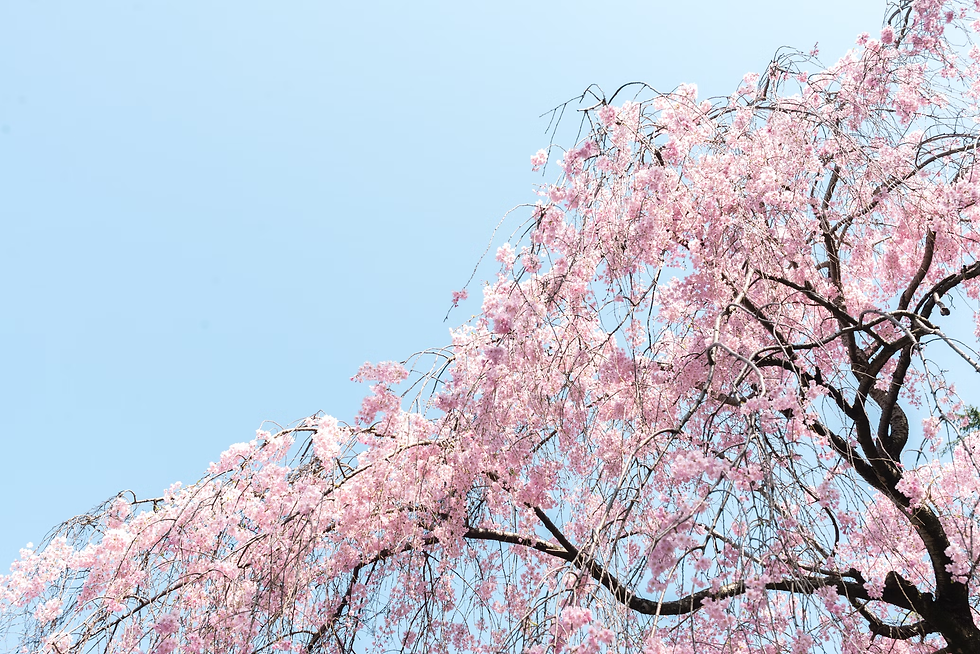
Cherry blossoms (sakura / 桜) are more than just flowers in Japan. They are a symbol of renewal, fragility, and joy, celebrated for over a thousand years in poetry, festivals, and everyday life. Each spring, a wave of blossoms sweeps the nation from Okinawa’s subtropical islands to Hokkaido’s northern landscapes, painting parks, temples, and riversides in soft shades of pink and white.
For travelers, experiencing cherry blossom season means more than just snapping photos. It’s about joining in hanami (flower-viewing), tasting sakura-themed food, and witnessing how the entire country shifts its rhythm to celebrate nature’s brief, beautiful gift.
This guide will walk you through the history, timing, best places (urban and rural), cultural experiences, food, and tips to make your cherry blossom journey unforgettable.

The History & Meaning of Cherry Blossoms
Cherry blossoms have been admired in Japan for over a millennium, and their meaning has evolved with time.
Originally, sakura were tied to agriculture. Farmers observed when blossoms opened as a sign of the year’s rice planting season and believed the trees invited spirits to bless their crops. By the Heian era (794–1185), aristocrats in Kyoto began the practice of hanami, where nobles would gather beneath cherry trees to write poetry, drink sake, and contemplate the fleeting beauty of life.
As centuries passed, sakura took on philosophical weight. For the samurai, the short-lived bloom symbolized the warrior’s life: brilliant, yet fragile and fleeting. This idea of impermanence, called mono no aware (物の哀れ), became central to Japanese aesthetics.
Today, cherry blossoms represent not just impermanence but also renewal and hope. Their yearly bloom is a reminder that after winter’s hardships, beauty and life return again. This duality, joy and sadness, is why sakura continues to captivate both locals and visitors.

When Is Cherry Blossom Season?
Cherry blossoms don’t bloom all at once across Japan. Instead, they follow a “sakura front” (sakura zensen / 桜前線) that moves northward with the warming spring temperatures. This makes it possible to “chase the blossoms” by traveling across regions.
In Okinawa, blossoms appear as early as late January, while in Hokkaido, they may not open until late April or May. For most travelers, the prime window is late March to early April, when central Japan — Tokyo, Kyoto, Osaka, and Hiroshima, reaches peak bloom.
Region | Cities | Average Bloom | Notes |
Okinawa (South) | Naha, Nakijin Castle | Late Jan – early Feb | First blossoms of the year, subtropical landscapes. |
Kyushu | Fukuoka, Kumamoto, Nagasaki | Late Mar | Early blooms with mild climate. |
Central Honshu | Tokyo, Kyoto, Osaka, Hiroshima | Late Mar – early Apr | Peak season for international visitors. |
Tohoku (North Honshu) | Sendai, Hirosaki | Mid–late Apr | Cooler climate, fewer crowds, stunning castle parks. |
Hokkaido (North) | Sapporo, Hakodate | Late Apr – early May | Last blossoms, great for extending trips. |
Note: Peak bloom usually lasts only about a week, and the exact timing changes slightly each year depending on weather conditions. Warmer springs can cause blossoms to open earlier, while cooler temperatures may delay them. Planning around forecasts helps, but even if you miss the exact peak, the days just before and after are often just as magical.

The Best Places to See Cherry Blossoms
While sakura can be found everywhere, from neighborhood streets to temple courtyards, some cities and landmarks stand out as iconic destinations. Each offers a unique way of seeing blossoms, whether paired with urban skylines, ancient temples, or peaceful countryside settings.

Tokyo – Sakura in the Metropolis
Tokyo is often described as a “city of contrasts,” and during cherry blossom season, that contrast is at its peak. Amid skyscrapers, neon-lit streets, and crowds, delicate sakura bloom in parks, rivers, and shrines. Hanami here is both festive and urban, with groups of friends picnicking late into the night under lantern-lit trees.
Ueno Park: Perhaps the most famous spot in Tokyo, home to over 1,000 trees and a carnival-like atmosphere.
Chidorigafuchi: Blossoms line the moat of the Imperial Palace; renting a rowboat is a romantic must.
Shinjuku Gyoen: A tranquil escape with wide lawns and multiple cherry varieties, perfect for strolling.
Meguro River: A narrow canal flanked by hundreds of trees, illuminated at night with lanterns.

Kyoto – Blossoms of Tradition
Kyoto, Japan’s ancient capital, offers sakura framed by temples, shrines, and historic streets. Cherry blossoms here feel timeless, blending with the cultural fabric of tea houses and wooden gates. Kyoto is also where hanami began in the Heian era, so there’s a strong sense of tradition.
Maruyama Park: Kyoto’s most famous hanami spot, with a massive weeping cherry that glows during night illuminations.
Philosopher’s Path: A stone walkway along a canal, perfect for slow, reflective strolls.
Kiyomizu-dera Temple: From the temple’s wooden balcony, you can see hundreds of blossoms below with the city beyond.
Heian Shrine Gardens: Vast ponds mirror the blossoms, creating stunning reflections.

Osaka – Festive Sakura with Food
In Osaka, sakura is celebrated with the same energy and spirit as the city’s food culture. Locals gather in large numbers, making hanami lively, fun, and filled with street food.
Osaka Castle Park: Thousands of trees surround the castle’s historic walls and moats, one of Japan’s most photographed scenes.
Kema Sakuranomiya Park: A 4 km stretch along the Okawa River lined with 5,000 cherry trees.
Expo ’70 Commemorative Park: Expansive grounds with picnic-friendly spaces and fewer crowds.

Hiroshima – Blossoms of Peace and Renewal
Hiroshima’s cherry blossoms carry a deeper resonance, blending natural beauty with remembrance. Viewing sakura here feels reflective, as petals fall gently around historic monuments.
Peace Memorial Park: Cherry trees line the river near the Atomic Bomb Dome, symbolizing resilience.
Shukkeien Garden: A beautifully landscaped garden offering intimate hanami spots.
Miyajima Island: Blossoms frame the famous floating torii gate of Itsukushima Shrine.

Countryside & Hidden Gems
While big cities attract the most attention, rural Japan offers breathtaking sakura landscapes with far fewer crowds. These places let you see how cherry blossoms transform castle ruins, riversides, and mountain slopes into living works of art.
Hirosaki Castle (Aomori): Northern Japan’s sakura jewel, with moats turning pink from fallen petals.
Yoshino (Nara): A sacred mountain covered with 30,000 cherry trees, offering tiered blossoms as you climb.
Takato Castle Ruins (Nagano): Known for its vivid “Takato Kohiganzakura” variety, creating dense clouds of pink.
Kintaikyo Bridge (Yamaguchi): A five-arched wooden bridge surrounded by blossoms, perfect for photos.
Rural blossoms often bloom later than urban areas, making them great for extending your trip.

Ways to Experience Cherry Blossoms
Cherry blossoms are not just for looking, they’re for living. Hanami is about connection: with nature, with family and friends, and with tradition.
Picnicking: Spread a blanket, unpack bento boxes, and enjoy sake under the trees. Popular parks often fill with cheerful groups well into the evening.
Yozakura (Night Viewing): Lantern-lit blossoms create a magical glow. Night sakura is especially famous in Tokyo’s Chidorigafuchi and Kyoto’s Maruyama Park.
Boat Rides: Floating under falling petals is unforgettable, try Chidorigafuchi in Tokyo or Hirosaki Castle in Aomori.
Festivals: Food stalls, games, and live performances bring hanami to life, turning parks into spring carnivals.
Festivals Worth Experiencing
Festivals (matsuri) during sakura season are vibrant cultural events. They highlight how blossoms are celebrated not just as nature’s beauty, but as moments of joy shared by communities.
Hirosaki Cherry Blossom Festival (Aomori): Late April – early May, famous for illuminated trees and petal-filled moats.
Takato Castle Park Festival (Nagano): Mid-April, featuring castle ruins surrounded by vivid pink blossoms.
Chiyoda Sakura Festival (Tokyo): Lantern-lit blossoms around the Imperial Palace moat, with boat rentals at night.
Kyoto Maruyama Park Illumination: Kyoto’s most famous night festival, centered around the giant weeping cherry tree.
Each festival is more than a spectacle, it’s a chance to eat festival food, hear local music, and experience Japan’s communal joy of spring.

Sakura Food & Culture
Sakura isn’t only for the eyes; it’s also for the taste buds. Seasonal sakura flavors appear everywhere, from traditional sweets to limited-edition snacks.
Sakura Mochi: A chewy rice cake filled with red bean paste, wrapped in a salted cherry leaf.
Sakurayu (Cherry Blossom Tea): Salt-pickled blossoms steeped in hot water, often used in weddings for good fortune.
Modern Treats: Sakura lattes, KitKats, pastries, and even sakura-flavored beer appear for a few weeks each year, making spring menus extra special.
These foods connect everyday life to the season, reminding everyone that sakura isn’t just seen, it’s celebrated in every sense.
Tips for Travelers
Check the Forecast: Timing shifts every year; bloom maps are essential.
Avoid Peak Weekends: Visit on weekdays or early mornings for calmer experiences.
Dress in Layers: Spring can be unpredictable, with chilly mornings and warm afternoons.
Respect Etiquette: Don’t pick blossoms, climb trees, or block paths with picnic mats.
Book in Advance: Hotels near sakura hotspots fill months before peak bloom.

Final Thoughts
Cherry blossoms are not just Japan’s most photographed event, they’re a living cultural tradition that unites people with history, nature, and each other. Whether you’re admiring them at Tokyo’s Meguro River, Kyoto’s temples, Hiroshima’s memorial park, or in the quiet countryside of Nara and Aomori, sakura is about more than flowers.
It’s about impermanence, renewal, and celebration. A reminder that life is short, and that’s exactly what makes it beautiful.


Comments