

Silk Trade Tides: Hakata’s Temples and Museums in Fukuoka’s Maritime Core
Hakata, Fukuoka’s bustling historic heart, pulses with the tides of ancient silk trade routes, where serene temples and maritime museums chronicle Kyushu’s role as Japan’s gateway to Asia, inviting explorers to delve into a vibrant past just steps from Hakata Station’s JR Kagoshima Main Line. A 2.5-hour Shinkansen ride from Tokyo, this lively district hums with tales of merchants and monks, drawing locals and tourists to its incense-filled halls and curated exhibits, perfect for a cultural odyssey after savoring Hakata ramen or strolling Canal City’s modern arcades. Adored by Fukuoka residents for its blend of spiritual and mercantile heritage, Hakata offers English-guided tours, multilingual signage, and lesser-known relics tucked amid canal-side paths, balancing iconic landmarks with intimate discoveries. From golden Buddhas glowing in temple courtyards to silk scrolls tracing Tang dynasty ties, Hakata’s silk trade tides weave a cultural saga, where Kyushu’s global soul shines through every prayer and artifact, inviting you to trace Japan’s ancient connections in a city where Fukuoka’s history flows beneath a modern maritime breeze.
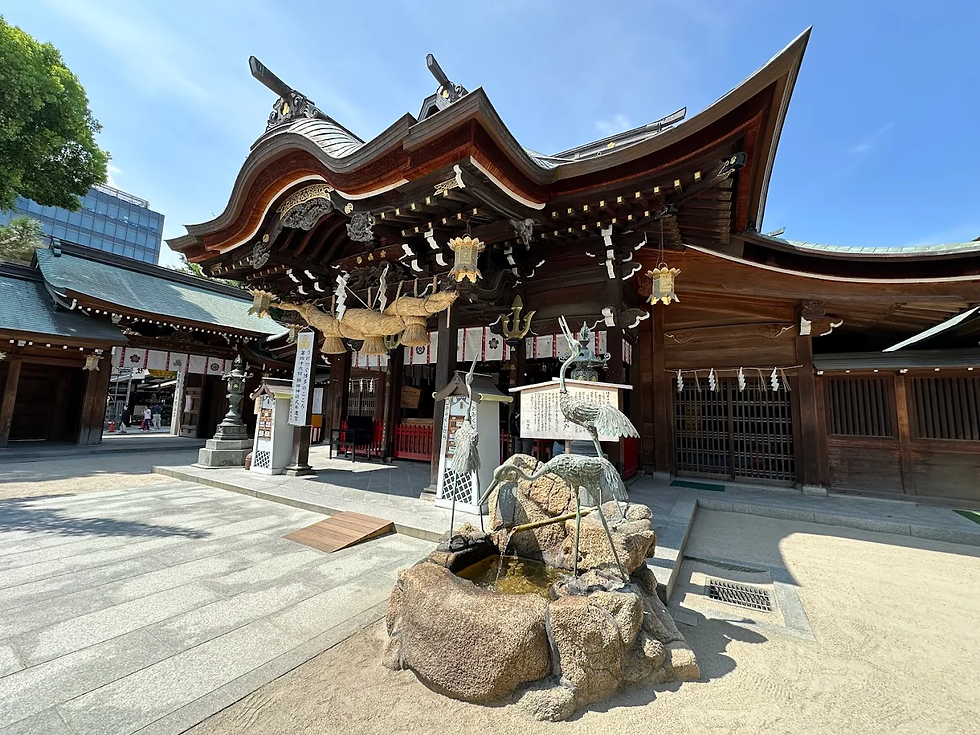
Kushida Shrine
In Hakata (free entry; ¥300 for treasure hall), this 757 AD shrine hosts the Hakata Gion Yamakasa, a 5-minute walk from Hakata Station.
Fukuoka City Museum
Near Hakata (¥200 entry), this museum displays Mongol invasion artifacts, a 10-minute subway from Hakata Station.

Location Benefits: Hakata’s JR Kagoshima Main Line and subway lines link to Tenjin (5 minutes) or Dazaifu (30 minutes). Walkable Canal City, local tonkotsu ramen stalls, and Sumiyoshi Shrine offer cultural and culinary depth, with Hakata Station’s Shinkansen hub ideal for day trips to Kumamoto (40 minutes).


Comments